
 Room 414 4th Floor, Provident House, Town Centre, Ndola, Copperbelt-Zambia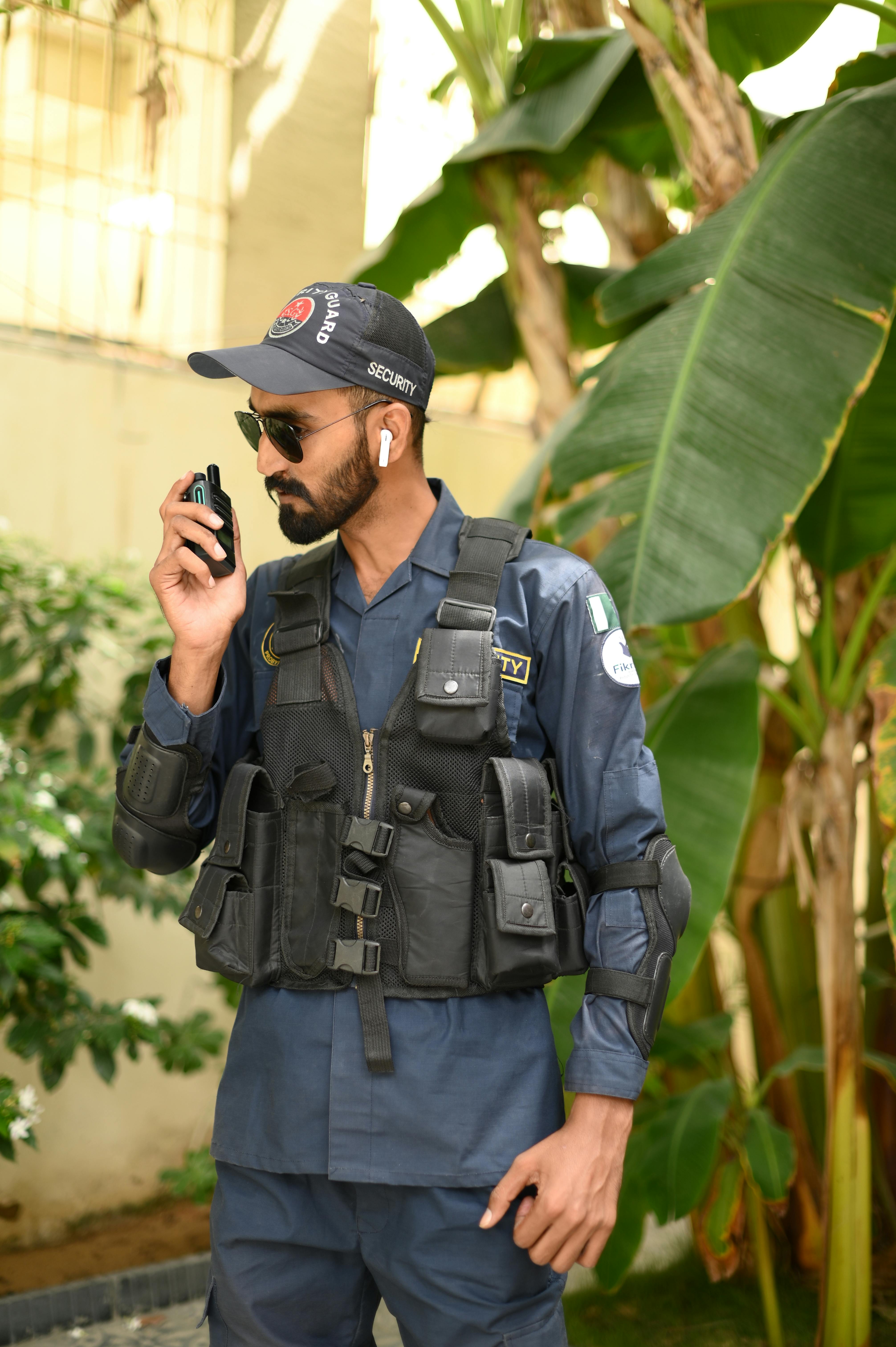
How technology supports guard teams on the ground.
CCTV and Patrol Monitoring: Strengthening Modern Security Operations
Introduction
Security is a critical requirement for businesses, residential communities, government institutions, and industrial facilities. As security threats continue to evolve, organizations are increasingly relying on technology and professional security personnel to safeguard people, assets, and property.
Two of the most effective security measures used today are CCTV Monitoring and Patrol Monitoring. While CCTV provides continuous visual surveillance, patrol monitoring ensures physical security presence and rapid response to incidents. Together, they create a comprehensive security system capable of detecting, preventing, and responding to threats effectively.
This article explores the importance, benefits, and best practices of CCTV and patrol monitoring in modern security management.
Understanding CCTV Monitoring
Closed-Circuit Television (CCTV) monitoring involves the use of cameras to observe, record, and monitor activities within a specific area. Security personnel can view live footage and review recorded video to identify suspicious activities, investigate incidents, and support law enforcement when necessary.
Modern CCTV systems include:
- High-definition cameras
- Night vision capabilities
- Motion detection
- Remote monitoring
- Cloud-based storage
- Artificial Intelligence (AI) analytics
- Facial recognition technology
- License plate recognition systems
These technologies have transformed CCTV from a simple recording tool into a powerful security management solution.
Benefits of CCTV Monitoring
Crime Prevention
Visible CCTV cameras act as a deterrent to criminals. Individuals are less likely to engage in theft, vandalism, or unauthorized activities when they know they are being monitored.
Real-Time Surveillance
Security operators can monitor activities as they happen and respond immediately to suspicious behavior or security breaches.
Evidence Collection
Recorded footage provides valuable evidence for investigations, insurance claims, and legal proceedings.
Employee and Visitor Safety
CCTV helps maintain a safe environment by monitoring entrances, exits, parking areas, and high-risk locations.
Remote Access
Modern CCTV systems allow authorized personnel to monitor facilities from virtually anywhere using smartphones, tablets, or computers.
Understanding Patrol Monitoring
Patrol monitoring refers to the systematic supervision of security guards as they conduct inspections and patrol designated areas. Patrols may be conducted on foot, by vehicle, or using specialized security equipment.
The purpose of patrol monitoring is to ensure:
- Security officers perform assigned duties
- Areas are regularly inspected
- Security incidents are detected quickly
- Emergency situations receive immediate attention
Patrol monitoring provides a physical security presence that technology alone cannot replace.
Types of Security Patrols
Foot Patrols
Security officers walk through designated areas to inspect premises, identify risks, and interact with employees or visitors.
Vehicle Patrols
Used for large facilities such as industrial sites, mining operations, residential estates, and business parks.
Random Patrols
Patrol schedules vary to reduce predictability and discourage criminal activities.
Scheduled Patrols
Officers follow predetermined routes and checkpoints at specific times.
Mobile Patrol Services
Security teams travel between multiple locations, providing security coverage for several properties.
Benefits of Patrol Monitoring
Visible Security Presence
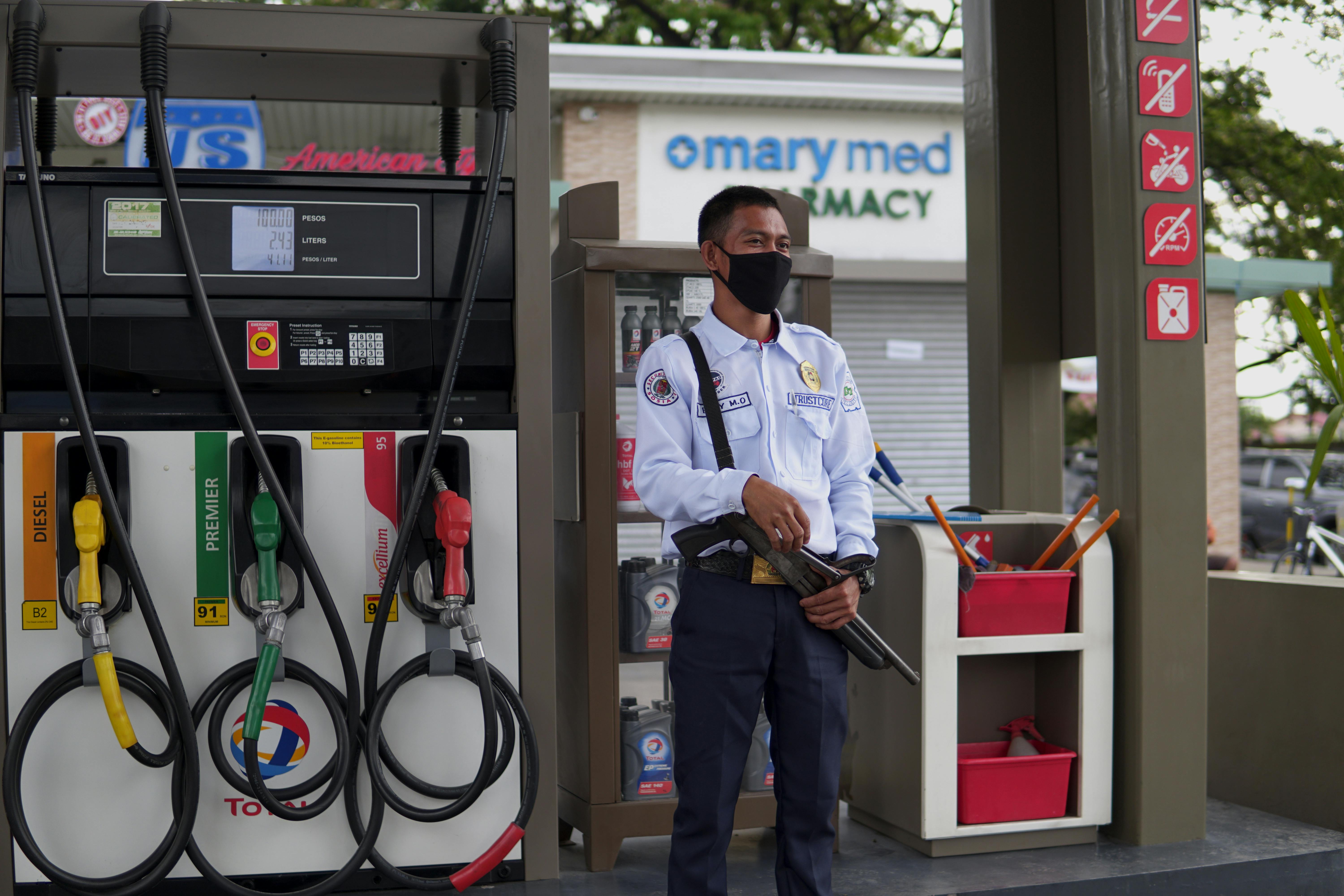
The presence of security officers reassures employees, customers, and residents while discouraging criminal activity.
Rapid Incident Response
Patrol officers can quickly respond to emergencies such as fires, break-ins, medical incidents, or suspicious behavior.
Identification of Physical Security Risks
Patrols help identify:
- Broken fences
- Open gates
- Damaged locks
- Unsafe conditions
- Unauthorized access points
Improved Safety Compliance
Security officers can monitor adherence to safety procedures and report potential hazards.
Enhanced Customer Confidence
A secure environment improves trust and confidence among customers, employees, and stakeholders.
Integrating CCTV and Patrol Monitoring
The most effective security programs combine CCTV monitoring with physical patrols.
How the Integration Works
- CCTV cameras detect suspicious activity.
- Monitoring personnel verify the situation.
- Patrol officers are dispatched to investigate.
- Security teams respond appropriately.
- Incidents are documented and reviewed.
This combination improves situational awareness and response efficiency.
Common Areas Requiring Monitoring
Organizations commonly deploy CCTV and patrol monitoring in:
- Office buildings
- Shopping malls
- Industrial facilities
- Warehouses
- Schools and universities
- Hospitals
- Construction sites
- Mining operations
- Residential estates
- Financial institutions
Each environment requires customized security measures based on its specific risks and operational needs.
Modern Technologies in CCTV and Patrol Monitoring
Security technology continues to evolve, providing more effective monitoring capabilities.
Artificial Intelligence (AI)
AI-powered systems can automatically identify:
- Unusual behavior
- Unauthorized access
- Suspicious movements
- Loitering individuals
GPS Patrol Tracking
GPS technology enables supervisors to verify patrol routes and monitor guard activities in real time.
Electronic Guard Tour Systems
Security officers scan checkpoints using mobile devices or RFID tags to confirm patrol completion.
Cloud-Based Surveillance
Organizations can securely store and access video footage from remote locations.
Mobile Security Applications
Security teams can receive alerts, submit incident reports, and communicate instantly through dedicated applications.
Best Practices for Effective Monitoring
To maximize security effectiveness, organizations should:
Conduct Risk Assessments
Identify vulnerable areas and determine appropriate monitoring requirements.
Ensure Proper Camera Placement
Install cameras at:
- Entrances and exits
- Parking areas
- Perimeter fences
- High-value asset locations
- Restricted access zones
Train Security Personnel
Security officers should understand:
- Surveillance procedures
- Incident response protocols
- Emergency communication methods
- Customer service skills
Regularly Test Security Systems
Routine inspections help ensure cameras, alarms, communication devices, and patrol equipment function properly.
Maintain Detailed Records
Document:
- Patrol activities
- Security incidents
- Maintenance reports
- Surveillance reviews
Challenges in Security Monitoring
Despite its benefits, security monitoring faces several challenges:
- Equipment failures
- Blind spots in surveillance coverage
- Human error
- False alarms
- Limited staffing resources
- Cybersecurity risks affecting surveillance systems
Organizations must continuously evaluate and improve their security programs to address these challenges.
A Practical Example
Consider a large warehouse storing valuable inventory.
A CCTV camera detects movement near a restricted loading area after business hours. The monitoring operator reviews the footage and notices an unauthorized individual attempting to access the facility.
A patrol officer is immediately dispatched to investigate. The individual is intercepted before gaining access to the warehouse, preventing potential theft or property damage.
Without the combination of CCTV surveillance and patrol monitoring, the incident may have gone unnoticed until significant losses had already occurred.
Conclusion
CCTV and Patrol Monitoring are essential components of a modern security strategy. CCTV provides continuous surveillance and valuable evidence, while patrol monitoring delivers physical presence, rapid response, and proactive risk identification.
When integrated effectively, these security measures create a strong defense against criminal activity, safety hazards, and operational disruptions. Organizations that invest in both technologies and trained security personnel are better equipped to protect their people, assets, and reputation while maintaining a safe and secure environment.
In today's increasingly complex security landscape, CCTV and patrol monitoring are not merely security tools—they are vital investments in organizational resilience and peace of mind.
Comments (0)
No comments yet. Be the first to comment.